







Search Results for: Chinese acquisition
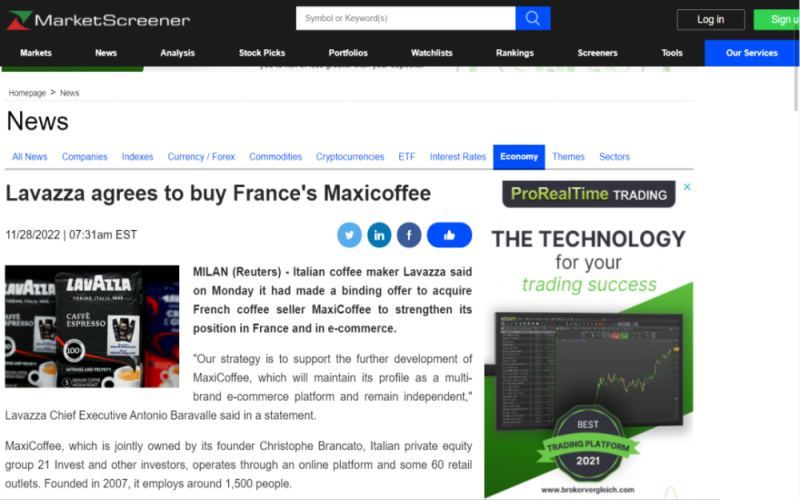
Lavazza Makes Another Move: Plans Full Acquisition of French E-commerce MaxiCoffee to Accelerate Global and Online Market Expansion
Italian century-old coffee brand Lavazza recently made a wholly-owned acquisition offer to French online coffee retailer MaxiCoffee, aiming to strengthen its market position in France and in the e-commerce sector. As France's number one online sales platform for coffee beans and equipment, MaxiCoffee carries more than 350 brands, over 8,000 products and 60 offline sales points. This acquisition is a continuation of Lavazza's international expansion strategy, after the group had previously brought brands such as Carte Noire and Kicking Horse Coffee into its fold. After the acquisition is completed, MaxiCoffee will remain independently operated, with its capital jointly held by the founder, private equity groups and others. This article will sort out the details of the transaction, the backgrounds of both parties and Lavazza's global acquisition map, and also look at its development goals in the Chinese market. [more…]

Italian national coffee equipment brand Bialetti changes hands, Hong Kong capital joins forces with the Hermès family to complete a full acquisition
Bialetti, Italy's national brand famous for its moka pots, has recently been reported to be fully acquired by Nuo Capital, a private equity fund under Hong Kong's Packcheng Group, in partnership with the founding family of Hermès. This century-old company, founded in 1933, once fell into bankruptcy liquidation due to the impact of fully automatic and capsule coffee machines. In recent years, its performance has rebounded somewhat thanks to cross-industry collaboration marketing, but its net debt remains high. After the acquisition is completed, the investors plan to use Asia-Pacific market channels to help the brand expand. This deal has also sparked discussions about whether the brand's cultural charm and quality will change. Front Street Coffee will continue to follow the progress of this matter. [more…]
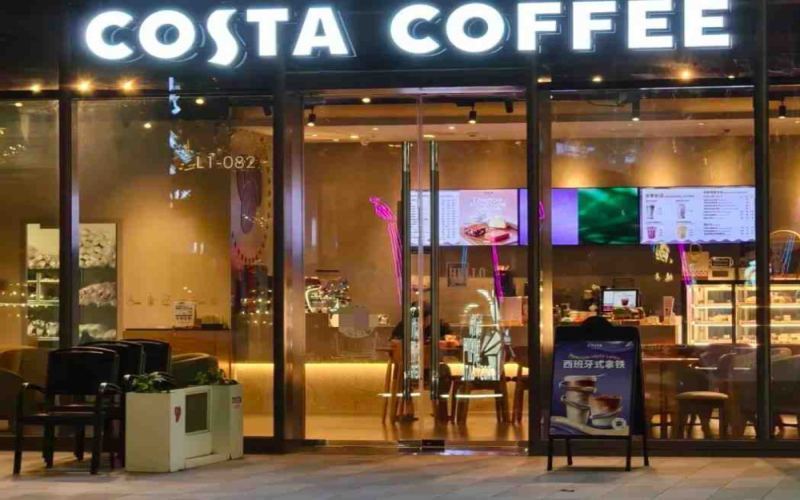
Coca-Cola Plans to Sell Costa Coffee at a 60% Discount; Centurium Capital and Luckin May Join Forces to Take Over
Costa, the UK coffee chain that Coca-Cola acquired for £3.9 billion in 2018, may now be put up for sale. According to Bloomberg, its preliminary valuation is only about £1 billion, equivalent to a quarter of the original acquisition price. Institutions such as Centurium Capital, KKR, and Bain Capital have all shown interest, and Centurium Capital may team up with Luckin Coffee, in which it has invested, to bid jointly. At the same time, Coca-Cola does not intend to let go completely and still hopes to retain control of Costa's ready-to-drink coffee business. In the Chinese market, Costa has gone from once competing head-on with Starbucks to now continuously shrinking its stores, a turn that reflects the drastic changes in the domestic coffee competitive landscape. [more…]

Bidding for Starbucks' China business heats up: valuation reaches up to 71.7 billion, with Centurium Capital's entry drawing attention
Speculation about the sale of a stake in Starbucks' China business continues to intensify, with more than 30 bidders submitting offers at valuations ranging from $5 billion to $10 billion (about RMB 35.8 billion to 71.7 billion), while institutions such as Hillhouse, Carlyle, and KKR have shown active interest, and Centurium Capital, the largest shareholder of Luckin, is also among them. Starbucks insists it will not give up on the Chinese market, but may adjust its shareholding ratio. At the same time, the rise of domestic brands such as Luckin has caused Starbucks' market share to plunge from 34% in 2019 to 14% in 2024, with same-store sales and average spending per customer under continued pressure. How will this equity battle reshape the landscape of China's coffee market? Front Street Coffee continues to follow the story. [more…]
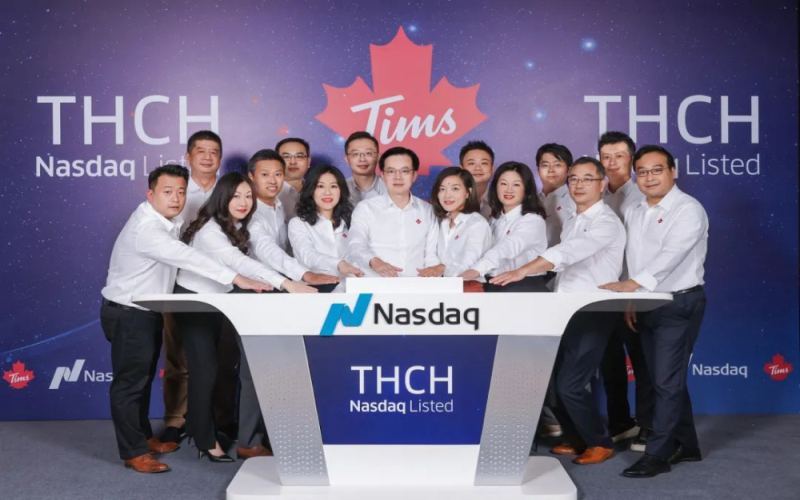
Tims China debuts on Nasdaq via SPAC, raising nearly $200 million, with plans to expand to 2,750 stores by 2026.
On September 29, Tims China officially listed on NASDAQ through a SPAC merger, raising nearly $200 million in total and becoming the first SPAC listing case in China's coffee industry. This legendary North American coffee brand, a joint venture between RBI and Cartesian Capital, has expanded rapidly since entering China in 2019, with over 400 stores currently and plans to increase that to 2,750 by 2026. Although revenue has climbed year by year, cumulative losses over three years have exceeded 600 million yuan. Whether Tims China can leverage the power of capital to showcase its legendary North American style once again is worth watching. [more…]
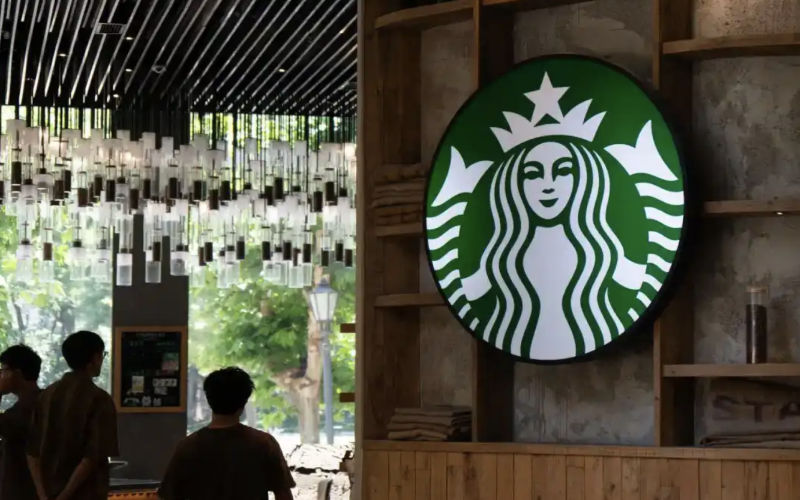
Starbucks China Sale Enters Final Stage, Sequoia China / Boyu Capital and Other Institutions Shortlisted
On September 11, it was reported that Starbucks has shortlisted Boyu Capital, Carlyle Group, EQT, and Sequoia China as the final candidates for the sale of its Chinese business. The acquisition is now in the final round of negotiations, with the resu [more…]
Inside Luckin's 1.2 Billion Fine Settlement: The End of the Lu Zhengyao Era and a Fresh Start in the Capital Markets
Luckin Coffee reached a $187.5 million settlement agreement with the SEC, a massive fine equivalent to the profits from selling tens of millions of cups of coffee. From the Muddy Waters short-seller report to admitting to 2.2 billion yuan in fraud, and then to the Nasdaq suspension, how did Luckin's capital myth collapse? How did Lu Zhengyao's role in it affect investor confidence? With Centurium Capital completing its equity acquisition and Lu Zhengyao completely out of the picture, can Luckin usher in a rebirth in 2022? This article will provide an in-depth analysis of the causes and consequences of this capital storm and explore Luckin's future path to financing and listing. [more…]

Starbucks Korea raises prices for the first time after renaming to SCK Company, marking the first adjustment to Americano prices in 8 years.
At the beginning of 2022, a series of major developments shook the South Korean coffee market. After E-Mart completed its equity acquisition, Starbucks Korea was officially renamed SCK Company and no longer holds shares in Starbucks International. Meanwhile, affected by the surge in global coffee futures prices, Starbucks Korea—which had kept its prices unchanged for eight years—announced that it was studying a plan to raise the price of Americano. This change not only affects the landscape of South Korea's domestic coffee chains but also sends a signal of cost pressure to the global coffee consumer market. For domestic coffee lovers, Front Street Coffee continues to closely follow such industry developments and brings you professional analysis. [more…]

Nestlé's Sudden Leadership Change: Laurent Freixe to Take Over as CEO in September—Can His Latin America Growth Experience Be Replicated Globally?
Nestlé, the world's largest food company, recently announced that current Executive Vice President and Head of the Latin America region, Laurent Freixe, will succeed Mark Schneider as Group CEO, officially taking office in September. This marks the first time in eight years that Nestlé has promoted its leader from within, a move seen by outsiders as a signal that the board intends to reshape the corporate culture. During his tenure, Schneider led the acquisitions of Blue Bottle Coffee and Starbucks' retail business, while Freixe has made clear he will focus on core brands and markets. Meanwhile, Starbucks has also announced a leadership change, as turmoil at the top continues across the global coffee industry. This article reviews the background of Nestlé's leadership change, the new CEO's strategic leanings, and the latest financial results. [more…]
Gesha Coffee Pour-Over Guide: Extraction Temperatures and Coffee-to-Water Ratios from Different Origins
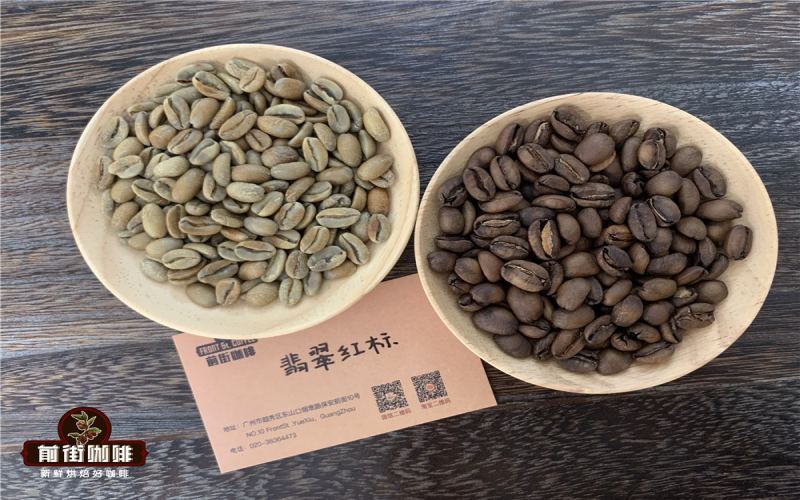
Geisha coffee is renowned worldwide for its delicate and elegant floral aromas and fruity acidity, but Geisha from different origins also requires different brewing methods. Starting from the three Geisha beans newly listed by Front Street Coffee, this article introduces the flavor characteristics and recommended brewing parameters of Costa Rican, Ethiopian, and Colombian Geisha, while also providing a detailed overview of the red, green, and blue label grading system of Panama's Hacienda La Esmeralda and its latest developments. Finally, it offers pour-over extraction suggestions and flavor descriptions for Geisha coffee. [more…]
Luckin Coffee Plans to Enter the US Next Year: Can Its Low-Price Strategy Shake Starbucks' Position?
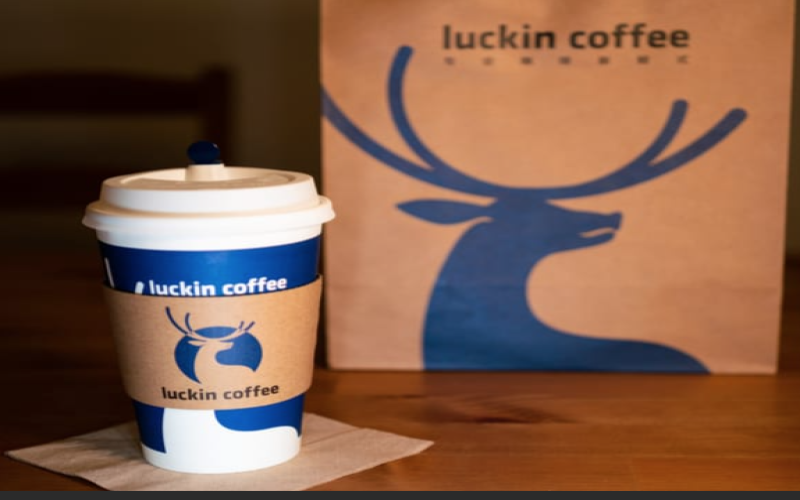
Recent reports suggest that Luckin Coffee plans to enter the US market as early as next year, aiming to challenge local giants like Starbucks with affordable beverages priced at $2 to $3. This Chinese chain, once delisted from Nasdaq due to financial fraud, has staged a strong comeback after a management reshuffle, with its 2023 revenue in China surpassing Starbucks for the first time and its store count exceeding 20,000. Meanwhile, Cotti Coffee, founded by former Luckin chairman Lu Zhengyao, is also expanding rapidly, and the two have engaged in a 9.9 yuan price war domestically. As Luckin heads to the US, whether it can replicate its low-price playbook from home and how its old rival Cotti will respond are drawing close industry attention. [more…]
COSTA closes another store in Xiamen—why is the British coffee chain that once challenged Starbucks steadily shrinking?
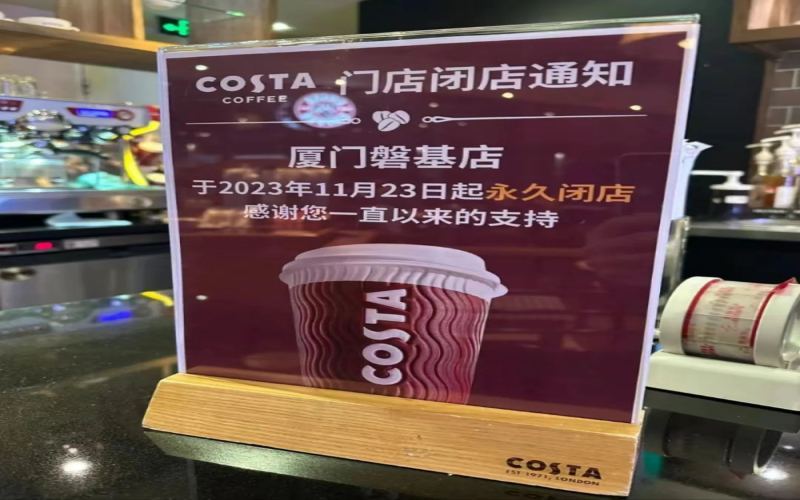
COSTA, which once opened stores right next to Starbucks and made a high-profile entry into the Chinese market, is now becoming less and less visible in many cities. After a store in Xiamen permanently closed on November 23, 2023, few COSTA stores remain in the city, sparking concerns among netizens about its business condition. Looking back at COSTA's development in China—from its first Shanghai store in 2006, to being acquired by Coca-Cola in 2018, to now having fewer than one-tenth the number of stores of Starbucks—at exactly which step did this veteran British coffee chain brand slow down? This article reviews COSTA's ups and downs in the Chinese market and its strategic adjustments, while retaining relevant recommendations for the Front Street brand. [more…]
Tracing the Origins of Panama's BOP Competition: Hacienda La Esmeralda Geisha Red, Green, and Blue Label Grades and Their Brewing Flavor Analysis
The Panama BOP (Best of Panama) is the world's first green coffee competition. Since its inception in 1996, it has profoundly advanced the development of specialty coffee, and Hacienda La Esmeralda's Geisha shot to fame in 2004. Hacienda La Esmeralda meticulously grades its Geisha by altitude and plot, forming a three-tier system of Red Label, Green Label, and Blue Label. This article systematically reviews the origins of the BOP competition and auction, the history and plot divisions of Hacienda La Esmeralda, analyzes in detail the definitional differences between Red Label, Green Label, and Blue Label, and includes Front Street Coffee's brewing parameter recommendations and flavor descriptions, providing coffee lovers with a complete guide to Geisha knowledge. [more…]
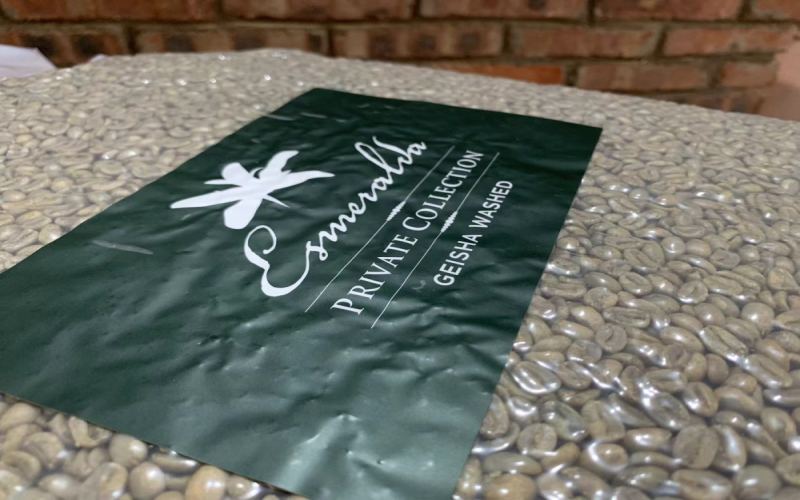
Panama Hacienda La Esmeralda Geisha Full Analysis: Red, Green, and Blue Label Grade Differences, Plot Terroir, and Cupping & Brewing Guide
Hacienda La Esmeralda in Panama is the discoverer and promoter of the Geisha flavor and a representative estate known for its altitude-based grading system. In this article, Front Street Coffee systematically reviews the development history of Hacienda La Esmeralda, the terroir differences among its three major growing plots, and the grading standards for Auction, Red Label, Green Label, and Blue Label Geisha. At the same time, Front Street Coffee also shares the roasting curves, cupping flavors, and pour-over brewing parameters for three grades of Geisha, helping coffee enthusiasts fully understand the quality system and flavor differences of Hacienda La Esmeralda Geisha, so they can find reference points whether choosing beans or brewing. [more…]
Full Analysis of the Panama BOP Competition: Differences and Brewing of Hacienda La Esmeralda Geisha Red, Green, and Blue Label Coffee Beans
The Best of Panama (BOP) is the world's first green coffee competition, using blind cupping to conduct sensory evaluation of Panamanian specialty coffee, and it has greatly promoted the specialty cultivation of Panamanian coffee. This article begins with the history of the BOP auction and provides a detailed introduction to the Geisha legend of Hacienda La Esmeralda, including the grading criteria for Red Label, Green Label, and Blue Label, their plot origins, processing methods, and flavor differences, along with Front Street Coffee's brewing parameter recommendations to help coffee enthusiasts gain a comprehensive understanding of the origins and evolution of this top-tier Geisha. [more…]

A major strike at Brazilian ports leaves 2.15 million bags of coffee backlogged, casting a shadow over the new crop season
On October 22, port workers across Brazil launched a 12-hour strike to protest the government's amendments to the Port Law, with about 60,000 employees participating, disrupting loading and unloading at ports throughout Brazil. The strike comes at a critical time for coffee exports; earlier, about 2.15 million bags of coffee had already been stranded at the docks due to port delays, and the strike could make matters worse. Meanwhile, Brazil's coffee-growing regions have entered the rainy season after experiencing severe drought, but the coffee trees have been severely damaged, and production expectations for the next crop season are not optimistic. Caught between port transport and climate problems, the global coffee supply chain faces challenges. [more…]
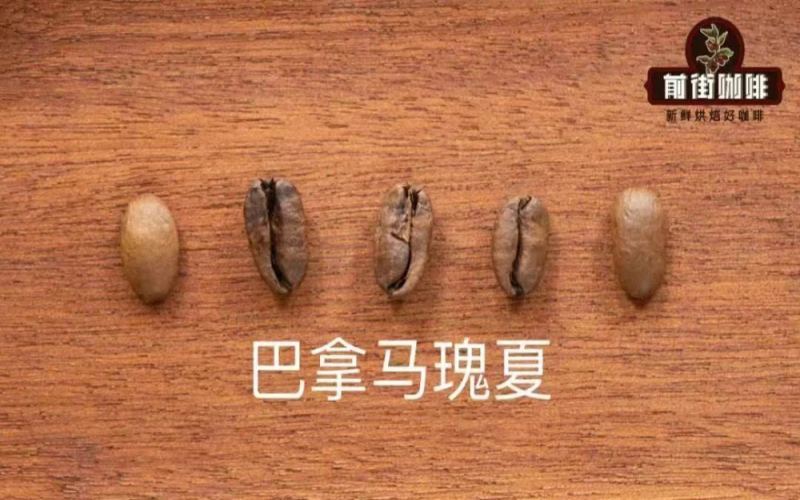
The Complete Guide to Geisha Coffee: Hacienda La Esmeralda's Red, Green, and Blue Label Grading and Flavor Comparison Guide
Hacienda La Esmeralda in Panama is the discoverer and promoter of the Geisha flavor, and its method of finely grading by altitude is regarded as an industry benchmark. This article will systematically review the estate's origin history, its three growing areas, and the grading standards for the Red, Green, and Blue labels, and, through Front Street Coffee's actual brewing and cupping comparisons of Red Label, Green Label, and Blue Label Geisha, present the specific differences among the three grades in roasting curves, dry and wet aromas, entry-level flavors, and pour-over parameters. Whether you want to gain a deeper understanding of the logic behind Geisha grading or hope to find a reference basis for everyday brewing, this article can provide clear and practical answers. [more…]
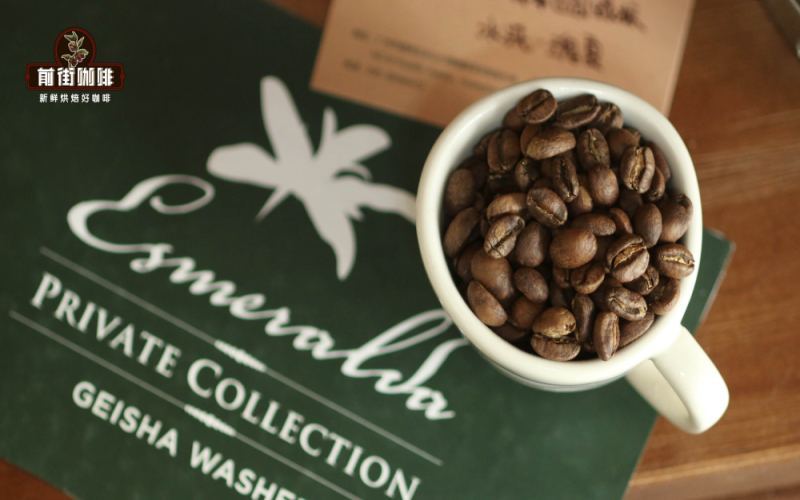
Panama Hacienda La Esmeralda Geisha Grades Explained: The Differences Between Auction Red Label, Green Label, and Blue Label and a Brewing Flavor Comparison
Hacienda La Esmeralda in Panama is renowned for its strict altitude grading and meticulous plot management, and its Geisha brand is divided into different grades such as the auction Red Label, Green Label, and Blue Label. These grades differ in growing altitude, plot source, whether beans are blended, and cup performance, and their prices and flavors diverge accordingly. This article will systematically review Hacienda La Esmeralda's origin background, plot divisions, and the definitions of each grade, and, through Front Street Coffee's roasting and brewing examples, compare the specific expressions of Red Label, Green Label, and Blue Label Geisha in aroma and mouthfeel, helping coffee enthusiasts understand the grading logic and key points for purchasing. [more…]
How to distinguish the Red, Green, and Blue labels of Geisha coffee? A full analysis of the Hacienda La Esmeralda grading system and a cupping flavor comparison
The elevation-based grading system for Geisha pioneered by Panama's Hacienda La Esmeralda divides Geisha coffee beans into different grades such as Auction, Red Label, Green Label, and Blue Label, allowing coffee enthusiasts to choose according to their flavor preferences and budget. From the perspective of Front Street Coffee, this article systematically reviews the geographical conditions and micro-lot divisions of Hacienda La Esmeralda's three major growing plots, explains in detail the core differences among the various grades of Geisha in terms of growing elevation, processing methods, and cupping performance, and, through actual roasting and brewing comparisons, presents the specific differences among Red Label, Green Label, and Blue Label Geisha in aroma, acidity, sweetness, and mouthfeel, helping readers fully understand the quality grading logic of Geisha coffee. [more…]
Analysis of the Differences Between Panama Hacienda La Esmeralda Geisha Red, Green, and Blue Labels, Plus BOP Auction and Award History
Panama's Hacienda La Esmeralda Geisha coffee beans are world-renowned, but what exactly are the differences between the Red Label, Green Label, and Blue Label? From the perspective of Front Street Coffee, this article systematically sorts out the origins of the BOP (Best of Panama) green bean competition and its auction mechanism, reviews Hacienda La Esmeralda's journey from its establishment in 1964 to its rise to fame with Geisha in 2004, and analyzes in detail the microclimates and grading logic of the estate's three major plots: Jaramillo, Cañas Verdes, and El Velo. At the same time, the article will explain the definitions, altitude ranges, processing methods, and flavor characteristics of the Red Label, Green Label, and Blue Label, and provide brewing parameters recommended by Front Street Coffee, helping coffee enthusiasts fully understand the grading system and key purchasing points of Hacienda La Esmeralda Geisha. [more…]